
Temperament and Service
Why Who You Are Shapes How You Serve
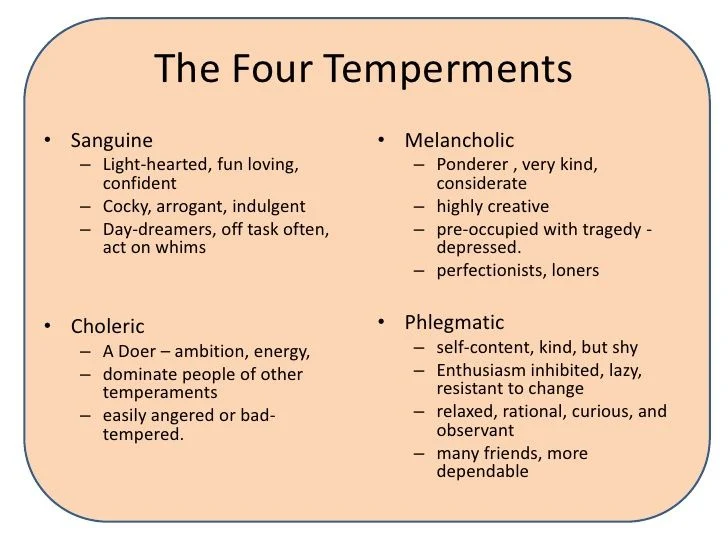
In Why You Act the Way You Do, Tim LaHaye explores the ancient model of the four temperaments – Sanguine, Choleric, Melancholy, and Phlegmatic – and how they shape personality, motivation, and behaviour.
While temperament isn’t destiny, understanding it gives us a mirror into why we do what we do – and how we can grow. In the context of service excellence, it offers something even more powerful: insight into how different people naturally respond to customers, pressure, and relational dynamics.
At BIAMIC, this forms part of the ongoing coaching journey. Because service excellence isn’t just about systems or intent – it’s about people. And people are wired differently.
Let’s examine each temperament through the lens of service culture: their strengths, struggles, and opportunities for growth.
The Sanguine – The Enthusiastic Connector
Core Traits:
Warm, energetic, expressive, talkative, people-oriented, emotionally responsive.
Service Strengths:
Sanguines shine in customer-facing environments. They bring charisma, charm, and a sense of fun to service moments. They often make customers feel welcomed, seen, and emotionally uplifted. Sanguines are natural at creating “wow” experiences – they love to delight.
Common Challenges:
They may over-promise or forget important follow-ups. Sanguines often struggle with structure and routine, and can get easily distracted. Their high energy can sometimes overwhelm more reserved customers or come across as insincere if not grounded.
Growth Focus:
- Build systems to support follow-through.
- Practice active listening – not just storytelling.
- Learn to balance enthusiasm with professionalism.
Power Practice:
Slow down just enough to truly hear what the customer is saying. Use your energy to connect, not just entertain.
The Choleric – The Driven Achiever
Core Traits:
Confident, assertive, goal-oriented, decisive, natural leader, problem-solver.
Service Strengths:
Cholerics get things done. They want results and often resolve customer issues quickly. Their confidence can instil trust, and their decisiveness makes them reliable in crisis moments. Customers often appreciate their no-nonsense efficiency.
Common Challenges:
They may come across as impatient or disinterested in emotional nuance. Cholerics can dismiss “soft” elements of service like tone, empathy, or emotional connection. They tend to push their way through rather than slow down to connect.
Growth Focus:
- Develop empathy as a skill, not a weakness.
- Pause before jumping to solutions.
- Be mindful of tone and body language.
Power Practice:
Start with connection before you move to correction. The issue matters – but so does how the person feels about it.
The Melancholy – The Thoughtful Idealist
Core Traits:
Detail-oriented, analytical, deep thinker, organised, sensitive, perfectionistic.
Service Strengths:
Melancholics bring structure, depth, and care. They often deliver flawless service behind the scenes and hold themselves to high standards. They’re excellent at documentation, compliance, and process refinement. Clients sense their sincerity.
Common Challenges:
Can get stuck in analysis or self-criticism. Melancholics may take mistakes personally and fear failure. They can be overly rigid or perfectionistic, which may lead to frustration in fast-moving or emotionally messy environments.
Growth Focus:
- Accept imperfection as part of learning.
- Allow emotional expression without overprocessing.
- Step out of the comfort zone of structure.
Power Practice:
Don’t let perfect become the enemy of great service. Your care already shines – let your warmth show too.
The Phlegmatic – The Steady Peacemaker
Core Traits:
Calm, reliable, diplomatic, easy-going, conflict-avoidant, loyal.
Service Strengths:
Phlegmatics bring stability. They’re great listeners, remain calm under pressure, and rarely escalate conflict. Customers trust them because of their consistency. They build long-term relationships quietly and patiently.
Common Challenges:
May struggle to take initiative or speak up. Phlegmatics often avoid difficult conversations and may let poor service slide to keep the peace. They can seem disengaged or unmotivated if not challenged.
Growth Focus:
- Learn to embrace appropriate conflict.
- Take ownership of your voice and value.
- Find small ways to stretch yourself regularly.
Power Practice:
Use your calm presence as a superpower – but don’t be afraid to lead with conviction when the moment calls for it.
A Temperament-Informed Culture
Service excellence doesn’t require everyone to be the same. It invites each person to bring their best – on purpose. Understanding temperaments helps leaders develop their teams more meaningfully and helps individuals grow without shame.
At BIAMIC, these insights are used not to label, but to empower. When people understand how they’re wired, they can:
- Own their strengths more boldly
- Address their blind spots more constructively
- Show up with intention rather than reaction
And that, over time, reshapes culture.
Reflection Prompt:
Which temperament do you most identify with – and what’s one behaviour you can stretch toward this week to elevate your service impact?
Make a booking to chat about how this could best serve you.