
Influencing Culture
Applying the Six Sources of Influence to Service Excellence
Based on the work of Joseph Grenny and colleagues in Influencer: The New Science of Leading Change, the Six Sources of Influence offer a powerful framework for shaping behaviour in individuals and groups. When applied to service excellence, these principles become transformative – because great service isn’t just about knowing what to do. It’s about shifting the beliefs, motivations, and structures that shape how people choose to behave.
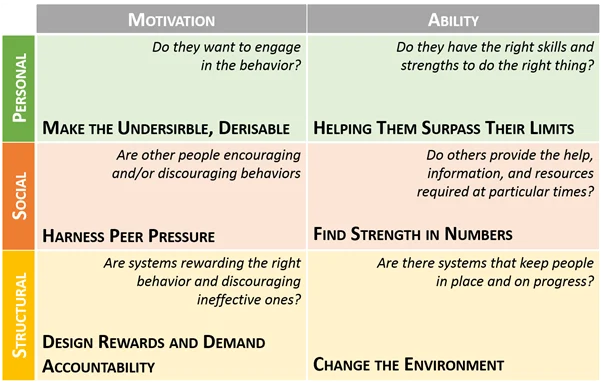
Here’s how each source of influence can be used to create sustainable change in service culture:
1. Personal Motivation – Make It Matter
What it means: Help people want to deliver great service – not because they have to, but because it resonates with their values.
Service Application: Connect service to personal pride, identity, and fulfilment. Use stories and moments that highlight the emotional impact of excellent service.
Example: Share real customer feedback. Celebrate moments when someone went the extra mile. Link service to a sense of purpose.
2. Personal Ability – Build the Skills
What it means: Even motivated people struggle if they lack confidence or competence. Skill-building is essential.
Service Application: Provide practical training in empathy, listening, recovery, and emotional self-regulation. Teach people how to notice moments that matter.
Example: Use coaching sessions to practise handling complaints or turning neutral moments into positive ones. Give feedback constructively and regularly.
3. Social Motivation – Shape Peer Expectations
What it means: People are influenced by those around them. Social norms either drive excellence or erode it.
Service Application: Build a culture where excellence is expected, talked about, and celebrated. Let the team feel like they are part of something great.
Example: Highlight peer recognition. Use Navigator tools to surface and celebrate shared wins. Make excellence visible.
4. Social Ability – Make It a Team Effort
What it means: People need help from others to succeed. Support, coaching, and collaboration are essential.
Service Application: Encourage collaboration in solving service challenges. Let teams learn from each other and support one another in high-pressure moments.
Example: Debrief after difficult calls. Use team huddles to share insights. Pair team members intentionally to support learning.
5. Structural Motivation – Reward What You Want to See
What it means: Systems should align with the desired behaviour. If people get rewarded for speed but not quality, they’ll focus on speed.
Service Application: Align incentives with service quality, not just metrics. Reinforce stories and behaviours that support the culture.
Example: Spotlight service excellence in performance reviews. Share top Navigator reflections in team meetings. Build recognition rituals.
6. Structural Ability – Remove Barriers
What it means: Environment matters. If systems are clunky or policies contradict service values, behaviour suffers.
Service Application: Simplify tools. Give people access to what they need. Make doing the right thing the easy thing.
Example: Streamline service recovery processes. Remove approval bottlenecks. Use dashboards to help people see their impact.
In Practice with BIAMIC
These six sources offer a roadmap to real behaviour change – one that extends far beyond posters or slogans. At BIAMIC, these principles are embedded in every service excellence workshop, coaching session, and Navigator design.
Because if you want to build a culture of excellence, you can’t just tell people what to do. You have to influence how they think, feel, and interact – every day, in every moment that matters.
Make a booking to chat about how this could best serve you.