
Blink and You’ll Miss It
The Power of First Impressions in Service Culture
In Blink, Malcolm Gladwell takes us into the fast-moving world of intuitive judgment. He explores how people make decisions in the first two seconds of an encounter – often without realising it – and how those impressions shape everything that follows.
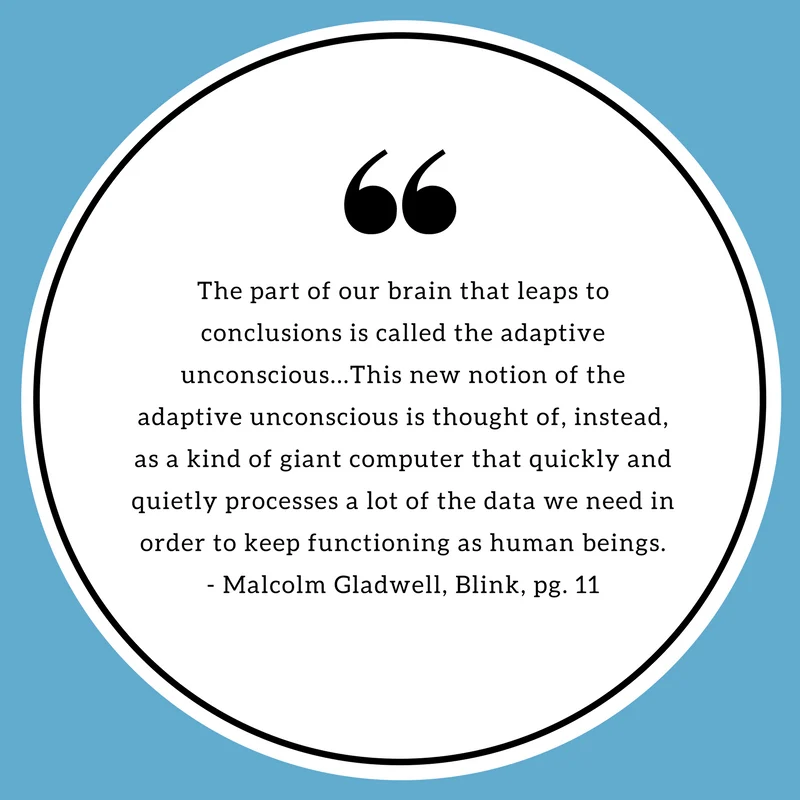
This is not just about gut feelings. It’s about a process Gladwell calls “thin-slicing” – the ability to make accurate assessments based on very limited information. In many cases, our first instincts are more reliable than prolonged analysis, provided we’ve built the right context, awareness, and experience to interpret what we’re seeing.
In service environments, this is a game-changer. Moments matter, and most of them are over in a blink. Whether it’s the tone of a greeting, the look in someone’s eyes, or the feeling a customer walks away with – those micro-moments form the bedrock of perception and trust.
1. First Impressions Are Not Surface-Level – They’re Foundational
Gladwell’s research shows that people form powerful opinions about a person or interaction within seconds. That means by the time the full service experience has unfolded, the emotional tone is already set.
BIAMIC Insight:
In a customer interaction, the first few moments matter more than most of the script that follows. If the first impression is one of attentiveness, confidence, and care, most other missteps become forgivable. If the first impression is rushed or disinterested, recovery becomes much harder.
Practical Example:
Train teams to pause, breathe, and focus their attention fully as a new customer interaction begins. A single moment of full presence can often outweigh even the most technically perfect transaction.
2. The Best Service Professionals Thin-Slice Accurately – and Compassionately
Thin-slicing can work against us if our assumptions are fuelled by bias. But when guided by empathy, experience, and clarity of purpose, it becomes a strength. Great service professionals often know what someone needs before they ask – not because they’re guessing, but because they’ve learned to read subtle cues and respond quickly.
BIAMIC Insight:
Intuition is not just instinct. It’s trained insight. When teams are immersed in a service-focused culture, their ability to “read the room” becomes sharper, more humane, and more effective.
Coaching Tip:
Encourage team members to reflect on moments when they “just knew” what the customer needed – and explore why. What were they noticing? What helped them respond with the right balance of speed and warmth?
3. Culture Shapes Intuition – For Better or Worse
Gladwell reminds us that intuition isn’t pure. It’s shaped by environment, experience, and values. If a team works in a reactive, fearful culture, their first responses tend to be defensive or procedural. If they work in a culture of purpose and excellence, their instincts bend toward solution and care.
BIAMIC Insight:
To improve customer experience, you don’t just change the steps – you change what people notice. That starts with reshaping the culture that trains their attention.
Application:
Use BIAMIC Navigator™ to capture the subtle wins – the times someone acted on intuition and created delight. Talk about those stories. Let them rewire the group instinct toward service excellence.
4. Quick Decisions Don’t Mean Shallow Ones
Some of the most powerful service moments are also the briefest. Holding a door. Remembering a name. Offering a kind word during a frustrating moment. These aren’t big gestures, but they reveal a mindset of care.
BIAMIC Insight:
Excellence lives in the moments most people overlook. Building a culture of attentiveness starts with noticing, affirming, and rewarding the small, fast acts that make someone feel seen.
Practice Tip:
In workshops, have teams reflect on the most meaningful service moment they received in the past month. Then ask – how long did it take? Almost always, the answer is under 30 seconds.
Trust Begins in the Blink of an Eye
Gladwell’s Blink reminds us that leadership, influence, and service are built not in long reports or long speeches, but in moments. At BIAMIC, this belief is woven into every interaction – from coaching to culture design to the Moments That Matter workshops.
Helping people serve better starts by helping them see better – what to notice, what to value, and what kind of presence they bring into each encounter.
Because in service, there are no neutral moments. Even the blink carries weight.
Reflection Prompt:
What impression do you leave in the first 5 seconds of a service interaction? And what kind of culture helps that impression reflect excellence? The HVP Assessment also helps determine how accurate we are when we make those instinctive responses.
Make a booking to chat about how this could best serve you.