
The Three Things Every Customer Needs
Horst Schulze’s Blueprint for Service Excellence
When a customer engages with a business, they are not simply buying a product or service – they are placing their trust, reputation, and future experience in the hands of another. Horst Schulze, co-founder of the Ritz-Carlton and a global pioneer in service excellence (his book Excellence Wins), distilled customer expectations into three simple but profound needs. These are not just guidelines for frontline teams – they are foundational pillars for any service-driven organisation.
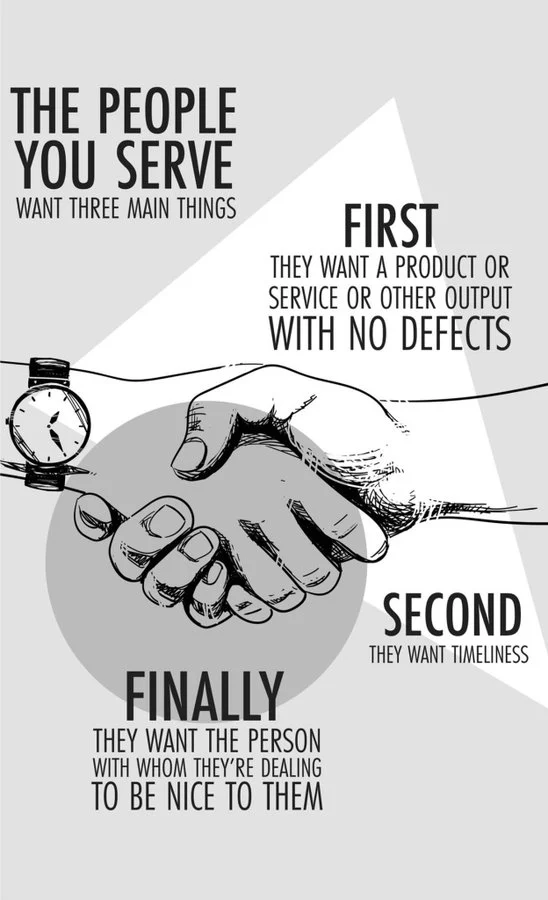
1. A Product or Service Without Defect
What it means: Customers expect that what they purchase will work. Whether it’s a meal served at a restaurant, a report from a consulting firm, or a support call from a service desk – every interaction must be consistent, accurate, and reliable.
Why it matters: Trust is immediately eroded when a product fails or a service doesn’t deliver. Getting the basics right is non-negotiable. Inconsistent or flawed delivery creates frustration, forces escalation, and weakens loyalty.
What to focus on:
- Precision in execution
- Attention to detail
- Robust processes and quality control
- Continuous improvement and learning from errors
2. Timeliness
What it means: Customers want their product or service delivered promptly and without unnecessary delays. Timeliness is about respecting the customer’s time – and their context.
Why it matters: Delays or inefficiencies signal that the customer’s needs are not a priority. Fast, predictable delivery builds confidence and helps customers meet their own goals more effectively.
What to focus on:
- Clear service commitments and turnaround times
- Streamlined systems that minimise bottlenecks
- Empowering staff to solve problems without delay
- Communicating proactively when delays do occur
3. To Feel Cared For
What it means: More than efficiency or accuracy, customers want to feel like they matter. They want to know that they are not just a transaction – they are a person being served by another person who genuinely cares.
Why it matters: Emotional connection is the difference between service and service excellence. When customers feel seen, heard, and respected, their loyalty increases. They share their experience. They come back – not because they have to, but because they want to.
What to focus on:
- Empathy in every interaction
- Personalisation and remembering preferences
- Anticipating needs before being asked
- Sincere thank-you’s and human connection
From Insight to Implementation
Schulze’s framework reminds us that service excellence is both simple and deeply human. These three needs aren’t complicated – but meeting them consistently requires clarity, training, systems, and a culture that genuinely values people.
At BIAMIC, this philosophy is foundational. Whether through coaching, Navigator™ reflections, or cultural interventions, the work is always about aligning systems and people to deliver what matters most: quality, timeliness, and care.
Because when these three needs are met, something powerful happens – trust deepens, morale rises, and customers become advocates.
Make a booking to chat about how this could best serve you.