
Take The Stairs
Choosing Discipline Over Convenience in Service and Leadership – Insights from Rory Vaden’s “Take the Stairs”
In a world wired for shortcuts and speed, Rory Vaden reminds us of a timeless truth: success is never owned, it is rented, and the rent is due every day. This is the heart of Take the Stairs, and it resonates deeply with service cultures that want to be sustainable, consistent, and excellent.
The central premise is simple: choose the harder right over the easier wrong. Excellence does not come from hacks, escalators, or quick fixes. It comes from choosing discipline, moment by moment. Through the lens of service excellence, Vaden’s seven principles provide a roadmap for building resilient cultures where attentiveness and care thrive.
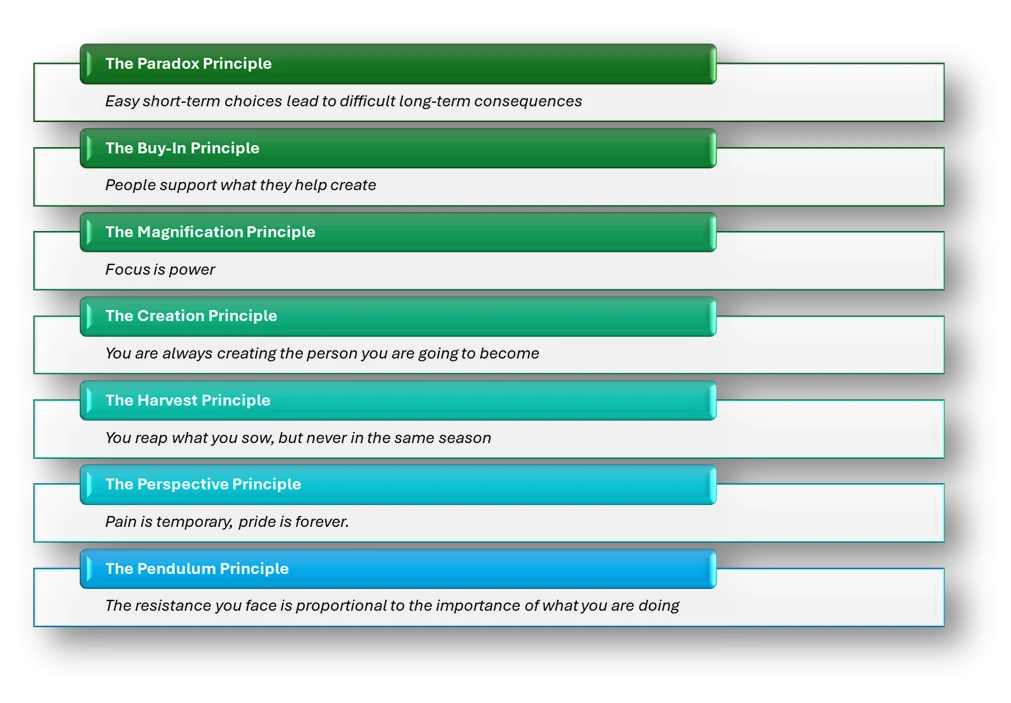
The Paradox Principle
Easy short-term choices lead to difficult long-term consequences.
In service teams, skipping the follow-up, rushing through a conversation, or ignoring a detail may save minutes now, but it creates long-term erosion of trust. A customer left without clarity will likely need a second call. A rushed handover may spark confusion that damages loyalty.
The paradox is clear: convenience today creates complexity tomorrow. By contrast, taking the time to listen fully, document thoroughly, or close the loop builds credibility that compounds over time.
At BIAMIC, we stress that service excellence is not about speed at all costs. It is about consistency and reliability. Customers forgive a wait if it comes with care. What they do not forgive is being dismissed or ignored. The paradox principle teaches us that excellence requires consistent, intentional effort, especially when it feels inconvenient.
The Buy-In Principle
People support what they help create.
Culture cannot be imposed. Leaders who dictate service standards from above without engagement often find that initiatives stall. But when staff participate in shaping the culture, they take ownership. Their fingerprints are on the outcome, and that makes them proud to live it.
A service culture becomes sustainable when employees at all levels co-own it. Invite teams to identify what “care” looks like in their role. Capture and share their stories. Involve them in designing small service rituals that make daily work more meaningful.
At BIAMIC, our Moments that Matter workshops are built on this principle. They give staff agency and visibility. When employees see themselves in the culture, they stop complying and start committing.
The Magnification Principle
Focus is power.
Many organisations try to fix everything at once. They launch broad initiatives that spread energy thin. The result is fatigue without momentum. Magnification asks a different question: what is the one behaviour that would matter most right now.
In customer service, it might be first-contact resolution. In hospitality, it might be greeting guests by name. In leadership, it might be holding one short debrief at the end of each shift. Whatever the behaviour, magnification means focusing relentlessly until it becomes natural.
This principle matches BIAMIC’s conviction that small, daily choices shape culture. A single behaviour, practised consistently, shifts atmosphere faster than a dozen slogans. Focus multiplies energy, and energy builds momentum.
The Creation Principle
You are always creating the person you are going to become.
Every action taken in service is shaping something — either building trust or eroding it, either reinforcing attentiveness or neglecting it. Even the smallest behaviours compound. A pattern of choosing convenience creates a culture of mediocrity. A pattern of choosing care creates a culture of excellence.
The creation principle calls for intentionality. Employees and leaders alike must recognise that each interaction is a seed. It may look small, but it shapes the culture of tomorrow.
This aligns with the BIAMIC belief that service is any action that adds value to someone else. Each act, however minor, is part of the person and the organisation you are becoming.
The Harvest Principle
You reap what you sow, but never in the same season.
Excellence does not deliver instant results. In agriculture, a farmer plants in one season and reaps in another. The same is true of service. The client who leaves quietly may return months later because they remember how you made them feel. The colleague who receives consistent support becomes an advocate when it matters most.
The danger in modern organisations is impatience. Leaders expect overnight returns from cultural initiatives. But culture grows slowly, through repeated choices. The harvest comes, but in its own season.
At BIAMIC, we remind leaders that service excellence is a long game. The seeds planted today in attentiveness and trust will yield tomorrow in loyalty, advocacy, and resilience.
The Perspective Principle
Pain is temporary, pride is forever.
It is not easy to go the second mile. It requires energy, focus, and discipline. But the pride of a job done with care lasts far longer than the discomfort of the effort. Teams that embrace this principle discover that the “extra” effort becomes part of their identity.
This perspective reframes sacrifice. Instead of seeing attentiveness as a burden, staff begin to see it as an honour. Service is not about survival. It is about leaving behind stories worth telling — stories that give meaning to the work.
The Pendulum Principle
The resistance you face is proportional to the importance of what you are doing.
Any team aiming for service excellence will encounter friction. Some will resist new routines. Some will say that care takes too long. Some will prefer the escalator.
The pendulum principle reframes resistance as confirmation. Friction signals that you are moving in the right direction. If no one pushes back, the change is probably too small to matter.
Leaders must expect and embrace resistance, not fear it. Change always comes with discomfort. But the more resistance, the greater the significance of what is being achieved.
BIAMIC Reflection
At BIAMIC, we believe the long road is the shortcut. True transformation does not come from convenience, but from discipline. Choosing the harder right, day after day, is what creates cultures where care is not occasional but consistent, where customers do not just return but advocate.
Take the Stairs reminds us that service excellence is never owned. It is rented, and the rent is due every day.
Reflection Prompt
Where are you taking the escalator in your service culture, and what would change if you took the stairs?
Make a booking to chat about how this could best serve you.